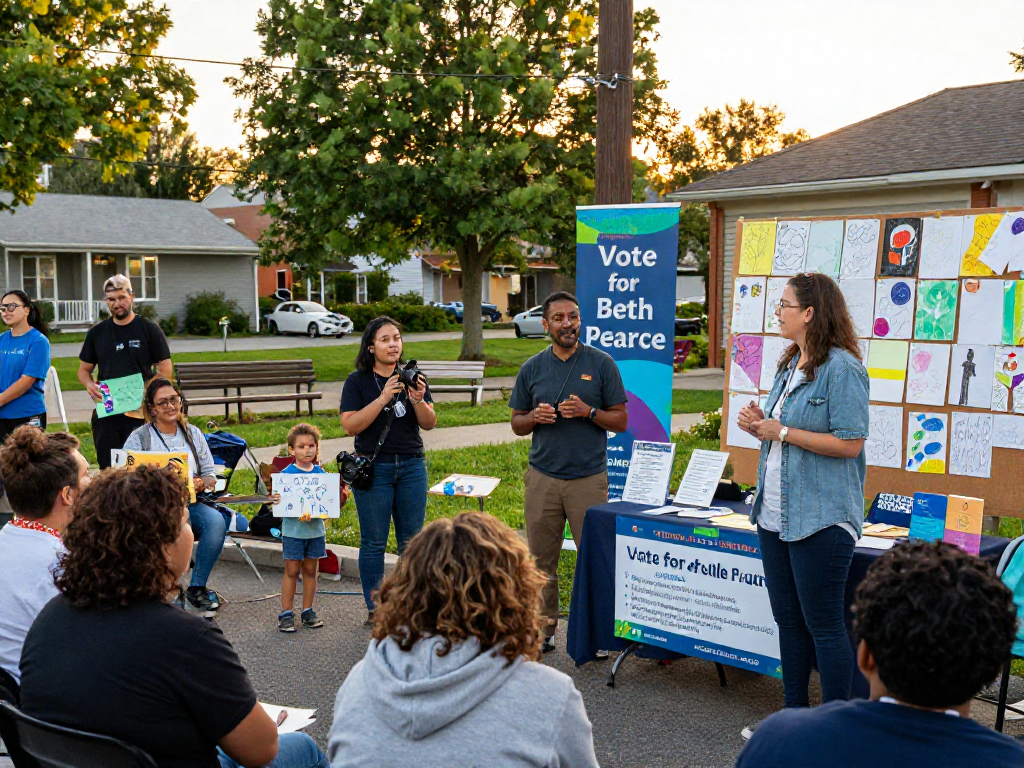
Understanding the Importance of Visionary Leadership
In today's rapidly changing world, effective leadership is paramount to driving communities forward. Visionary leaders not only inspire their teams but also craft the future through their foresight, experience, and commitment to progress. Beth Pearce embodies these qualities, advocating for community engagement and empowerment as critical elements for success. As supporters rally behind her campaign, it is essential to recognize how visionary leadership can catalyze meaningful change. For those looking to understand the dynamics of leadership and community support, exploring resources like rokok88 slot login can provide valuable insights into engagement initiatives.
What Makes a Leader Visionary?
A visionary leader possesses a clear and compelling vision for the future. This involves understanding the needs of the community and being able to communicate that vision effectively. Visionary leaders are characterized by their ability to:
- Innovate: They introduce new ideas and approaches that challenge the status quo and promote sustainable growth.
- Inspire: They motivate others to share in their vision, creating a sense of shared purpose and direction.
- Adapt: They remain flexible in the face of change, allowing them to pivot strategies based on community feedback and emerging trends.
The Role of Community Engagement in Effective Leadership
Effective leadership goes hand in hand with community engagement. Leaders who actively involve their constituents foster trust and collaboration, making it easier to implement initiatives and drive change. Engaging the community shows that leaders value the input and perspectives of those they serve, which can lead to:
- Increased trust: Engaged community members are more likely to support initiatives and collaborate with leaders.
- Better feedback: Leaders gain valuable insights into the needs and preferences of the community, which can guide decision-making.
- Enhanced support: An informed and involved community is more likely to advocate for leadership initiatives and changes.
Why Support for Beth Pearce Matters
The need for strong leadership in our communities cannot be overstated. Beth Pearce’s candidacy represents a fundamental shift towards inclusive and visionary leadership. Support for her campaign highlights:
- A commitment to community: By supporting Beth, constituents signal their desire for leaders who prioritize the needs of the community over personal or political gain.
- Recognition of experience: Beth’s extensive background equips her with the necessary skills to navigate challenges and implement effective solutions.
- A focus on integrity: Voter support emphasizes the importance of ethical leadership that remains accountable to the community.
Building Community Support: Strategies That Work
Successful leaders recognize that fostering community support requires intentional strategies and efforts. Here are some practical tactics that can enhance community engagement:
Engaging the Community for Leadership Initiatives
To maximize engagement, leaders should employ various techniques to connect with community members, including:
- Organizing forums and town halls: These events provide platforms for open dialogue where community members can voice concerns and share ideas.
- Utilizing social media: Online platforms enable leaders to reach broader audiences, keep constituents informed, and solicit feedback.
- Collaborative projects: Working together on community projects fosters a sense of ownership and pride among participants, further galvanizing support.
Effective Communication: The Key to Mobilizing Support
Clear and effective communication is critical for mobilizing support. Leaders should strive to:
- Listen actively: Taking the time to understand community concerns fosters trust and encourages participation.
- Be transparent: Providing regular updates on initiatives and decisions helps build credibility and community confidence.
- Tailor messaging: Adapting communication style to resonate with different segments of the community increases the likelihood of engagement.
Case Studies: Successful Community Support Examples
Learning from successful leaders can provide powerful insights. Here are a few noteworthy examples:
- Case Study 1: A local initiative in a small town utilized community surveys to guide its development plan. The result was a project that met the direct needs of residents, leading to overwhelming support and participation.
- Case Study 2: An urban leader leveraged social media to engage younger constituents. By promoting interactive discussions on platforms like Instagram, the leader not only boosted attendance at community events but also inspired a new generation of activists.
- Case Study 3: A nonprofit organization formed partnerships with local businesses to fund community services. By highlighting shared goals, they fostered a collaborative environment where businesses felt invested in local outcomes.
Challenges in Leadership Support and How to Overcome Them
No leadership journey is without its challenges. Understanding and addressing common roadblocks can help leaders maintain momentum and support.
Common Misconceptions about Community Leadership
Many misconceptions can hinder effective community leadership, including:
- Leaders should have all the answers: Acknowledging that no one can possess every solution fosters a culture of collaboration and shared learning.
- Change is always resisted: While some community members may resist change, many are open to new ideas, especially if clearly communicated.
- All engagement must be formal: Informal gatherings often spark more genuine conversations and generate ideas that formal meetings might overlook.
Addressing Resistance to Change in the Community
Change can be daunting, and effective leaders must address resistance by:
- Providing education: Informing community members about the benefits of proposed changes can help alleviate fears and misinformation.
- Encouraging participation: Actively involving resistant individuals in the decision-making process can transform skeptics into advocates.
- Highlighting success stories: Sharing examples of successful changes in other communities can inspire confidence and reduce anxiety.
Strategies for Building Trust and Credibility
Trust is fundamental in leadership. Here’s how leaders can build and maintain it:
- Consistency: Following through on promises and commitments builds a reputation for reliability.
- Accountability: Acknowledging mistakes and taking corrective actions demonstrates integrity.
- Visibility: Being present and accessible to the community fosters familiarity and confidence in leadership.
Measuring the Impact of Your Support
To gauge the effectiveness of community support initiatives, leaders must rely on measurable outcomes.
Key Performance Indicators for Community Engagement
Leaders should track specific metrics that highlight engagement levels, such as:
- Participation rates: Measuring attendance at community events can provide insights into engagement quality.
- Feedback surveys: Collecting community feedback regularly to assess satisfaction and areas for improvement.
- Social media interaction metrics: Analyzing engagement metrics on social media can reveal how well leaders connect with constituents.
Evaluating Leadership Effectiveness through Community Feedback
Soliciting community feedback is crucial for evaluating a leader’s performance. Effective methods include:
- Anonymous surveys: Allowing constituents to provide honest feedback without fear of repercussions can yield invaluable insights.
- Focus groups: Conducting small group discussions can foster deeper conversations about community sentiments and leader effectiveness.
- Public forums: Engaging in open forums can not only provide feedback but also showcase leaders' commitment to transparency.
Adapting Strategies Based on Community Insights
Leadership is an evolving process. Leaders should remain open to adapting their strategies based on community insights by:
- Embracing flexibility: Changing course based on feedback shows responsiveness and respect for community input.
- Regularly reviewing action plans: Leaders should assess and refine strategies periodically to ensure alignment with community needs.
- Fostering a culture of learning: Encouraging both leaders and community members to learn from experiences enhances effectiveness.
The Future of Leadership in Our Communities
As communities evolve, so too must their leaders. The future of leadership will be shaped by emerging trends and innovative approaches.
Emerging Trends in Community-led Initiatives for 2026
In 2026, we can expect to see several trends influencing how leaders engage with communities:
- Increased emphasis on sustainability: Community initiatives will increasingly prioritize environmental issues and sustainable practices.
- Decentralized decision-making: Empowering community members to take the lead on initiatives will promote ownership and engagement.
- Focus on mental health initiatives: Addressing mental health concerns in community strategies will become vital as awareness grows.
The Role of Technology in Enhancing Engagement
Technology will continue to transform engagement by:
- Improving communication: Tools such as mobile apps and social media will enable more effective outreach and feedback collection.
- Facilitating virtual forums: Online town halls will allow broader participation, including those unable to attend in person.
- Leveraging data analytics: Utilizing data to track engagement trends will help leaders adapt their strategies effectively.
Predictions for Community Leadership Development
The demand for innovative leadership approaches is expected to grow, with predictions including:
- More mentorship programs: Experienced leaders will increasingly mentor emerging leaders, fostering knowledge transfer and growth.
- Integration of youth leadership programs: Engaging younger generations in leadership development will ensure a diverse representation of viewpoints.
- Cross-sector collaborations: Partnerships between public, private, and nonprofit sectors will become more common to tackle complex challenges collectively.
What Are the Best Practices for Maintaining Momentum?
To sustain engagement and support, leaders should implement best practices such as:
- Continuous engagement: Regular updates, community events, and feedback opportunities maintain interest and involvement.
- Celebrating milestones: Recognizing achievements fosters a sense of accomplishment and encourages ongoing participation.
- Creating a feedback loop: Encouraging ongoing dialogue ensures community members feel valued and engaged.
How Can We Sustain Engagement Beyond the Campaign Period?
Sustaining engagement requires a proactive approach, including:
- Establishing community committees: Forming committees focused on specific issues ensures continued attention and advocacy beyond elections.
- Providing resources and support: Offering resources for community-led initiatives can empower constituents to take meaningful action.
- Encouraging local champions: Identifying and supporting local leaders can help maintain momentum and foster grassroots movements.