Understanding Why Your Garage Door Is Stuck
Garage doors are convenient and essential for modern living, providing access to homes and security for vehicles. However, when a garage door gets stuck, it can lead to frustration and inconvenience. Understanding the common causes behind a garage door stuck scenario will help homeowners identify problems early and seek professional assistance when necessary. This article covers various factors that may cause a garage door to become immobile, along with actionable insights on how to address these issues effectively.
Common Causes of a Garage Door Stuck
Several factors could be at play if your garage door is stuck. Recognizing these common culprits is critical in diagnosing the problem:
- Obstructions: Items such as boxes, tools, or debris obstructing the door's tracks can halt its movement.
- Misaligned Tracks: If the door tracks are misaligned, the door may wobble or stick mid-ride.
- Broken Springs: Garage doors rely heavily on springs for functionality; broken or compromised springs can prevent proper operation.
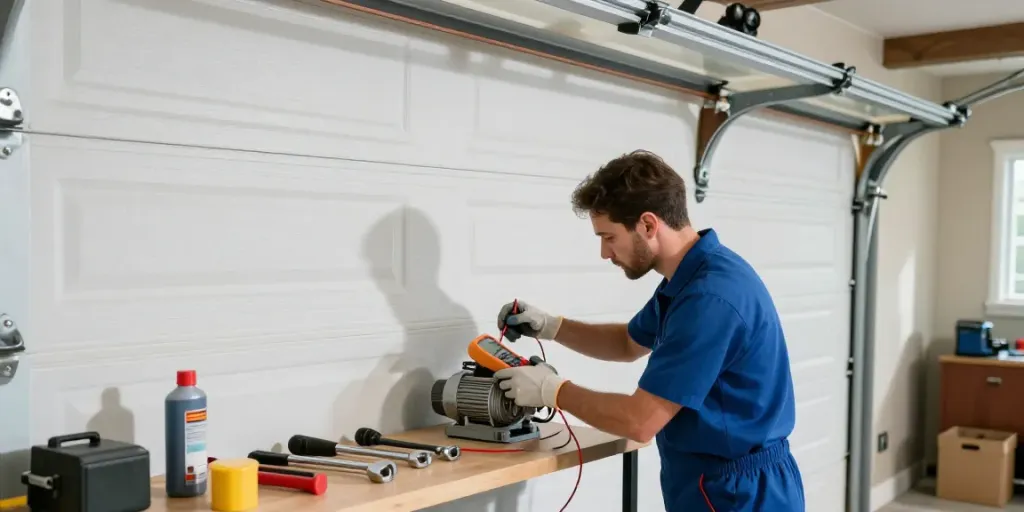
- Faulty Opener: Malfunctioning garage door openers could cause the door to stop working entirely or not respond to commands.
- Frozen Components: In colder climates, freezing temperatures can cause lubricant to thicken, leading to a stuck door.
Signs of a Stuck Garage Door
Identifying whether your garage door is stuck or simply experiencing minor issues can save time and unnecessary repairs. Some signs include:
- The door doesn't open or close fully.
- The door moves only partway and stops.
- Unusual noises when operating the door, such as grinding or scraping sounds.
- Visible gaps or misalignment in the door when closed.
- Difficulty in using the manual release handle.
When to Call a Professional for Help
If simple troubleshooting steps do not resolve the issue, it may be time to call a professional. Here are indicators that support seeking expert help:
- The problem persists despite your best efforts to fix it.
- You suspect a serious issue, such as broken springs or tracks.
- You are uncomfortable attempting repairs due to safety concerns.
- The garage door opens or closes erratically, posing a safety hazard.
Emergency Solutions for Garage Door Stuck Situations
When faced with a garage door that won’t open, it can be an urgent matter, especially if your vehicle is trapped inside or the door won’t close securely at night. Knowing how to handle a stuck situation can minimize stress and potential damage.
Immediate Steps to Take
If your garage door is stuck, follow these immediate steps:
- Check for obstructions along the door tracks to ensure there is nothing blocking the door's path.
- Inspect the garage door opener to confirm it’s functioning properly, checking for any blinking lights or unusual sounds.
- Try using the manual release feature to lower or raise the door safely.
- If the door is stuck open, secure your garage and call for help to prevent break-ins.
DIY Solutions for Temporary Fixes
For those who prefer to tackle the situation themselves, consider these temporary fixes:
- Lubricate Moving Parts: Apply lubricant to the tracks, rollers, and hinges to facilitate movement.
- Realign Tracks: If the tracks are slightly misaligned, carefully adjust them to allow smooth operation.
- Replace Sensor Batteries: If the sensors aren't working, replacing the batteries may resolve the issue.
Safety Precautions to Consider
Safety is paramount when dealing with garage door malfunctions. Here are a few safety precautions:
- Never attempt repairs on your own if you are unsure about the process.
- Disconnect the power source before attempting any manual fixes to avoid electrical hazards.
- Use appropriate tools and wear safety gear, such as gloves and goggles.
Assessing and Repairing a Stuck Garage Door
Once the immediate crisis is handled, further assessment and repairs may be necessary. This section guides you through evaluating the issue and fixing the door.
Tools and Equipment Needed for the Repair
Gather the following tools if you plan to assess or repair a stuck garage door:
- Screwdriver set
- Adjustable wrench
- Lubricant (silicone or garage door-specific)
- Level for checking alignment
- Safety gloves
Step-by-Step Repair Process
To conduct a basic repair, follow these steps:
- Inspect and clear the tracks of any debris or obstructions.
- Use the level to check the alignment of the door and tracks.
- Lubricate all moving parts, including tracks, rollers, and hinges.
- Check the tension of the springs to ensure they are not broken or loose.
- Test the door's movement after making adjustments and lubricating the parts.
When to Replace Parts Instead of Repairing
In some cases, replacing parts may be more beneficial than attempting repairs. Consider replacement when:
- The springs are cracked or broken beyond repair.
- The tracks are severely bent or damaged.
- The garage door opener has malfunctioned beyond simple fixes.
- Components show excessive wear, such as frayed cables or rusted rollers.
Preventive Measures to Avoid Garage Door Stuck Issues
Taking proactive measures is essential to prevent your garage door from becoming stuck in the future. Regular maintenance and inspections can save time, money, and hassle down the line.
Regular Maintenance Tips for Garage Doors
Implement the following maintenance tips:
- Schedule regular professional inspections to catch issues before they escalate.
- Lubricate the moving parts at least once a year to ensure smooth operation.
- Test the safety sensors and reverse mechanisms monthly to ensure they function correctly.
Signs Your Garage Door Needs Attention
Be vigilant for the following warning signs, as they indicate that your garage door may need repair:
- Increased noise during operation
- Visible wear on tracks or springs
- Delayed response time when using the remote control
Upgrading to a More Reliable Garage Door System
If your garage door frequently malfunctions, consider upgrading to a modern, reliable system. Newer models tend to have improved technology, security features, and warranties that can provide peace of mind.
Frequently Asked Questions About Garage Door Stuck Problems
What should I do if my garage door is stuck again?
First, assess the issue by inspecting for obstructions or misalignment. If the problem persists, consider contacting a professional for a thorough evaluation.
How can I prevent my garage door from getting stuck in the future?
Regular maintenance, timely repairs, and keeping the door tracks clear can significantly reduce the chances of your garage door getting stuck.
When is it safe to attempt a garage door repair myself?
It is safe to attempt minor adjustments or lubrication if you are comfortable with basic tools. However, severe issues involving springs or mechanical components should be left to professionals.
Can a stuck garage door cause damage to my vehicle?
Yes, if a garage door is stuck open or closed, it can block vehicle access or cause vehicle damage if the door falls unexpectedly.
What are the costs associated with garage door repairs?
The cost of garage door repairs varies widely based on the issue and required parts. Simple issues may cost less than $100, while complex repairs can exceed $500.