
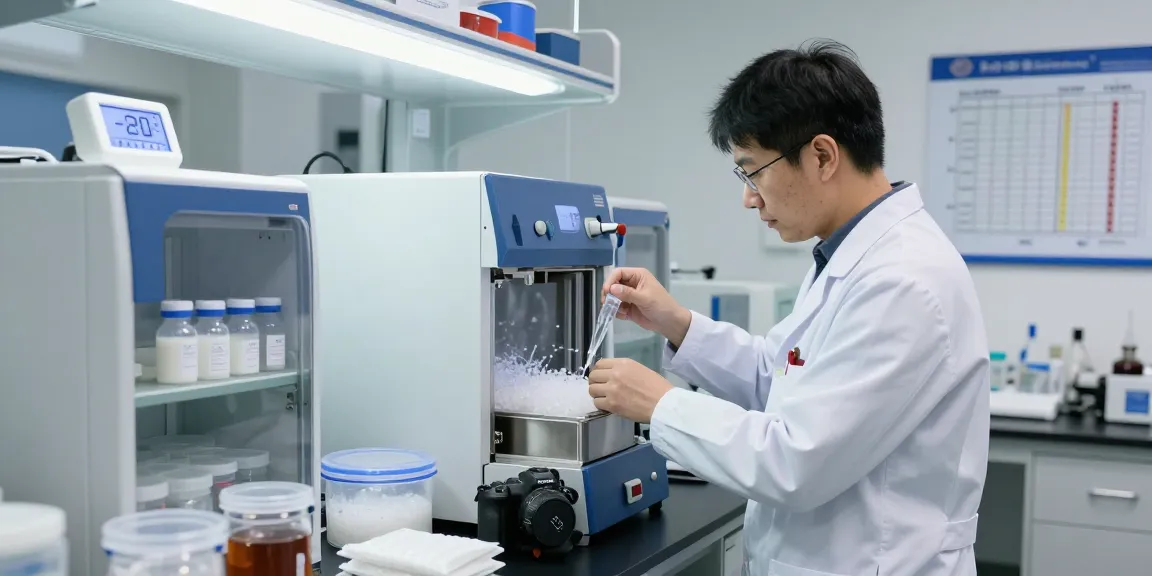
Understanding Lyophilisation Peptides
Lyophilisation peptides, also known as freeze-dried peptides, have transformed the landscape of pharmaceutical research and development. These peptides are typically obtained through the lyophilisation process, which involves freezing a peptide solution followed by sublimation under vacuum conditions. This method significantly enhances the stability and shelf life of peptides, making them invaluable for laboratory research. Given the increase in peptide-based therapies and diagnostics, understanding proper storage protocols for these compounds is essential for researchers aiming to maintain peptide integrity and ensure reliable experimental outcomes. When exploring options, lyophilisation peptides provide comprehensive insights into effective handling and storage techniques.
What are Lyophilisation Peptides?
Lyophilisation peptides refer to peptides that have undergone the lyophilisation process, resulting in a stable, dry powder form. This process reduces the water content of the peptide solution, significantly extending its shelf life and making it more resilient to degradation. The dry form ensures that the peptides are less susceptible to hydrolysis, oxidation, and microbial growth, thus maintaining their purity and efficacy. Researchers utilize lyophilisation to facilitate long-term storage and transportation of sensitive peptides, which are crucial in various applications, including drug development, diagnostics, and therapeutic research.
Importance of Proper Storage
Proper storage protocols for lyophilisation peptides are paramount in preserving their structural integrity and biological activity. Peptides can deteriorate when exposed to unfavorable environmental conditions, such as temperature fluctuations, moisture, and light. For instance, improper storage can lead to oxidation of sensitive amino acid residues, resulting in a loss of function. Therefore, adhering to established temperature and environmental guidelines is essential to prolong the life and effectiveness of these compounds.
Common Misconceptions in Peptide Storage
One of the common misconceptions regarding peptide storage is that all peptides can be stored at room temperature without degradation. While some peptides may tolerate brief exposure to higher temperatures, the majority require specific temperature control to remain stable. Additionally, there is often confusion regarding the impact of moisture and light on peptide stability; many researchers underestimate how quickly these factors can lead to degradation. Clarifying these misconceptions helps researchers implement more robust storage strategies that preserve peptide integrity.
Temperature Protocols for Storage
Standard Storage Temperature at -20 °C
The recommended standard storage temperature for lyophilisation peptides is -20 °C. At this temperature, sealed peptide vials can remain stable for extended periods, as low temperatures significantly slow down degradation reactions. Thermo Fisher advises that peptides be stored immediately at this temperature upon receipt, where they can maintain stability for several years, depending on the specific peptide sequence and conditions of handling. The combination of reduced thermal energy and a stable environment helps preserve both purity and functionality.
Using -80 °C for Sensitive Peptide Sequences
For particularly sensitive peptide sequences, researchers may opt to store these compounds at -80 °C. Peptides that contain prone-to-oxidation amino acids, such as methionine, cysteine, or tryptophan, can benefit significantly from this extra layer of protection. This ultra-low temperature is especially advantageous when long-term preservation is necessary, ensuring maximum stability over time. It is crucial that any vials stored at this temperature remain sealed and free from moisture to prevent any potential degradation.
Effects of Temperature Fluctuations on Stability
Temperature fluctuations can have deleterious effects on the stability of lyophilisation peptides. Each transition between temperatures can create thermal stress, leading to structural changes in peptide molecules. Furthermore, when peptides are frequently thawed and refrozen, this can result in aggregation and loss of activity. It is essential to establish strict temperature control measures in the laboratory to mitigate these risks and maintain the integrity of the peptides throughout their storage life.
Moisture Protection in Peptide Handling
Risks of Moisture Exposure
Moisture is one of the most significant threats to the stability of lyophilisation peptides. Despite being in a dry state, peptides can readily absorb moisture upon exposure, leading to hydrolysis and degradation. This risk is accentuated when vials are opened in humid environments or when they are not properly sealed after use. The interaction between water and peptide structures can lead to the formation of undesired byproducts, significantly affecting peptide performance in research applications.
Storing Vials: Best Practices
To effectively protect peptides from moisture, it is vital to follow best storage practices. Vials should be stored in dry environments, preferably using desiccators or vacuum-sealed bags that can absorb moisture. Additionally, all vials should remain sealed until they are ready for use. It is recommended to allow frozen vials to equilibrate to room temperature before opening, preventing condensation from forming inside, which can introduce moisture into the vial and cause irreversible damage to the peptides.
Utilizing Desiccants Effectively
Incorporating desiccants such as silica gel packs within peptide storage containers can provide an additional layer of moisture protection. These materials can absorb any residual humidity present in the storage environment. Researchers should regularly monitor the effectiveness of desiccants and replace them as necessary to maintain a low-humidity environment. This practice can significantly enhance the stability and longevity of lyophilisation peptides throughout their storage life.
Light Protection and Handling Guidelines
Why Light Exposure Deteriorates Peptide Quality
Exposure to light, particularly ultraviolet (UV) light, can contribute to the degradation of lyophilisation peptides. Many amino acids are sensitive to UV exposure, which can lead to photo-oxidation and alterations in the peptide structure. This degradation can result in loss of biological activity and effectiveness. Therefore, light protection is an essential consideration when handling and storing peptides.
Recommended Storage Solutions
To safeguard peptides from light exposure, researchers should store vials in dark or opaque containers. Amber-colored vials, opaque bags, or dark freezer boxes are ideal for minimizing light exposure during both storage and handling. Additionally, when working with peptides in the laboratory, it is advisable to avoid direct sunlight and strong artificial lighting. These precautions can help maintain the integrity and functionality of lyophilisation peptides during the research process.
Protocols for Reconstituted Peptides
Once lyophilisation peptides are reconstituted, their stability diminishes compared to the dried powder form. Reconstituted peptides should generally be stored at +2 to +8 °C in a refrigerator and are typically stable for 14 to 28 days, depending on factors such as the peptide sequence, concentration, and the solvent used. To maximize the lifespan of reconstituted peptides, researchers should consider aliquoting them into single-use vials before freezing. This approach reduces repeated exposure to temperature changes and contamination risks.
Final Guidelines and Best Practices
Summary of Storage Recommendations
To assure optimal storage conditions for lyophilisation peptides, the following guidelines should be adopted:
- Store lyophilisation peptides at -20 °C for long-term use, or at -80 °C for sensitive sequences.
- Protect peptides from moisture by keeping vials sealed and stored in dry conditions.
- Use desiccants to maintain low humidity levels in storage environments.
- Shield peptides from light exposure using appropriate storage containers.
- After reconstitution, refrigerate peptides at +2 to +8 °C and avoid multiple freeze-thaw cycles.
Common Pitfalls to Avoid
Avoiding common pitfalls in peptide storage is critical to ensuring research success. Frequent temperature fluctuations, exposure to moisture, and light are leading causes of peptide degradation. Moreover, repeatedly opening vials can increase the risk of contamination. Proper training and adherence to standardized protocols can prevent these issues and significantly enhance peptide stability.
Future Trends in Peptide Storage Technology
As the field of peptide therapeutics evolves, advances in storage and preservation technologies are emerging. Innovations such as smart storage systems that monitor temperature and humidity in real time may soon become standard practice, providing researchers with added confidence in peptide integrity. Additionally, new formulations and stabilizers could further improve the stability of reconstituted peptides, paving the way for more effective storage solutions.
What is the best temperature for lyophilisation peptides storage?
The best temperature for lyophilisation peptides storage is typically -20 °C for standard peptides, while more sensitive peptides should be stored at -80 °C to ensure maximum stability.
How to prevent moisture damage to peptides?
To prevent moisture damage, store peptides in dry conditions, use desiccants, and avoid opening vials in humid environments.
Why is light protection necessary for lyophilisation peptides?
Light protection is necessary because UV exposure can lead to the degradation of peptide integrity, reducing their biological effectiveness and stability.
What are the signs of degraded peptides?
Signs of degraded peptides may include changes in color, visible precipitation, or alterations in activity observed during biological assays.
Can reconstituted peptides be frozen for long-term storage?
Yes, reconstituted peptides can be frozen for long-term storage, but it is essential to aliquot them into single-use volumes to minimize freeze-thaw cycles, which can damage peptide integrity.