
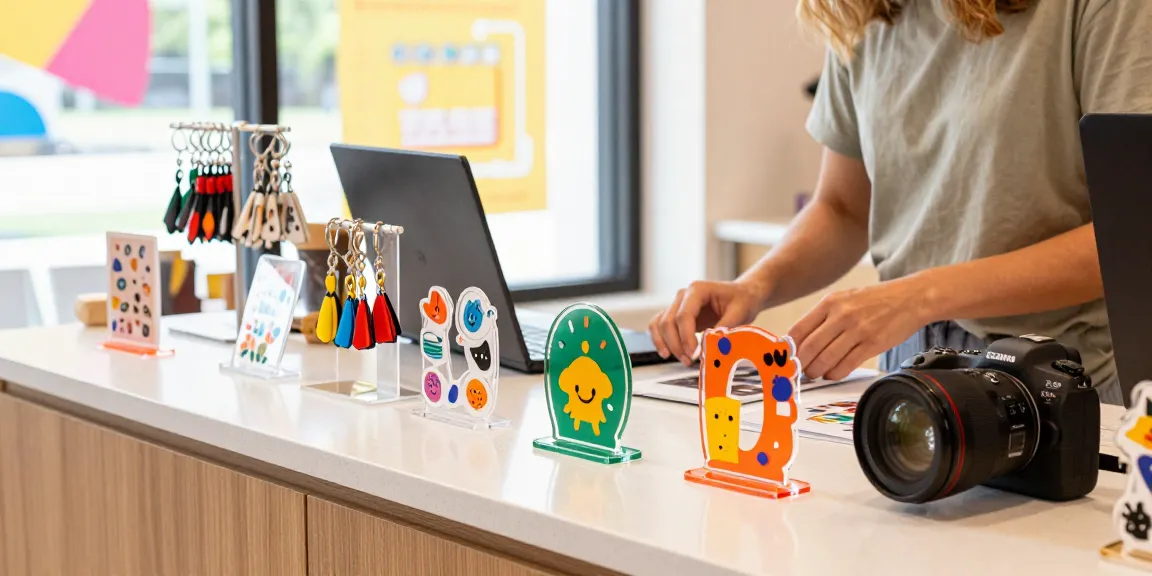
Understanding Acrylic Stand Products
Acrylic stands are versatile displays that offer an unparalleled way to showcase artwork, merchandise, and promotional materials. Made from a durable and clear acrylic material, these stands provide an aesthetically appealing solution for brands looking to enhance their visibility. They can be customised to different shapes, sizes, and designs, making them suitable for various applications and settings. When exploring options, acrylic stand products offer comprehensive insights into what can be achieved in terms of unique designs.
What is an acrylic stand?
An acrylic stand is a display product manufactured from acrylic, a type of plastic that is lightweight yet sturdy. The clarity of acrylic allows for high-quality printing and vibrant colours, making it an ideal choice for promotional displays and merchandise. Acrylic stands can be created in various formats, including flat, 3D, or multi-layered designs, catering to different visual and functional needs.
Benefits of using acrylic stands in merchandise
- Durability: Acrylic is resistant to shattering and can withstand outdoor conditions, making it suitable for long-term use.
- Customisation: The ability to design these stands in multiple shapes and sizes allows brands to fully express their identity.
- Lightweight: This feature makes acrylic stands easy to transport and set up, particularly beneficial for events and exhibitions.
- Aesthetic Appeal: The clarity of acrylic provides a sleek and professional look, enhancing the overall display of products.
Common applications for acrylic stands
Acrylic stands are widely used across various industries for a multitude of purposes. Some common applications include:
- Retail displays for products such as cosmetics, electronics, and books.
- Event promotions where brands want to attract attention.
- Art displays for photographers, illustrators, and graphic designers.
- Corporate branding and information dissemination at trade shows and conferences.
Designing Your Custom Acrylic Stand
Choosing the right shape and size
The first step in creating a custom acrylic stand is selecting the ideal shape and size. The design should complement the product or image being displayed. For instance, if showcasing artwork, a flat but expansive surface may be appropriate, whereas a three-dimensional design may be more effective for toys or collectibles. Understanding the dimensions of your product and the space in which it will be displayed is key to making this decision.
Personalising graphics and branding
Customisation does not end at shape; the graphics and branding on the acrylic stand are equally vital. This includes the choice of colours, logos, and any textual elements that communicate essential information. High-resolution graphics can be printed directly onto the acrylic, ensuring that colours remain vibrant and do not fade over time. This level of personalisation enhances brand recognition and engages customers effectively.
Exploring eco-friendly materials for sustainable designs
As sustainability becomes a growing concern among consumers, opting for eco-friendly acrylic materials can be a worthwhile consideration. Biodegradable and recyclable acrylic options are now available in the market, which can help brands align with environmental values. This not only attracts environmentally conscious consumers but also strengthens the brand’s image.
Market Trends in Acrylic Stands for 2026
Current consumer preferences and patterns
Recent studies indicate a shift toward sustainable products, with consumers increasingly favouring brands that demonstrate eco-friendliness. This trend extends to acrylic stands, where eco-certified materials are becoming more popular. Additionally, consumers prefer products that offer unique designs over generic forms, leading to higher demand for customisation in acrylic displays.
Innovative designs gaining popularity
In 2026, we anticipate a rise in innovative designs, including multi-functional acrylic stands that serve dual purposes, such as display and storage. Interactive elements, like QR codes embedded on the stand for direct access to digital content, are gaining traction. Brands are expected to experiment with lighting and augmented reality features that enhance the visual experience.
Impact of social media on acrylic stand choices
Social media platforms significantly influence consumer purchasing decisions. Acrylic stands that are visually appealing and ‘Instagrammable’ are more likely to be shared online. Brands should consider creating striking designs that encourage consumers to photograph and showcase their products. This can lead to organic marketing opportunities and expanded reach.
Maximising Sales with Acrylic Stands
Effective merchandise presentation strategies
Presenting merchandise effectively is fundamental to maximising sales. Acrylic stands should be utilised to create eye-catching displays that draw customers’ attention. Using different heights and configurations can create a dynamic arrangement, making it easier for customers to see and interact with products. Incorporating lighting or backdrops can further enhance the appeal.
Utilising acrylic stands for promotional events
During promotional events, the use of acrylic stands can significantly impact consumer engagement. Well-placed stands can guide customers through the event space, showcasing featured products or special offers. Brands can also use these stands to create interactive experiences, such as contests or giveaways, to drive foot traffic and increase conversions.
Enhancing customer engagement through product displays
Acrylic stands can serve as a focal point for customer engagement strategies. Brands can take advantage of these displays to communicate key messages, share stories, or highlight product benefits. Interactive features, such as product samples or digital screens paired with acrylic stands, can invite customers to engage more deeply with the brand.
Future of Acrylic Stands in E-commerce
Emerging technologies in design and manufacturing
With the advancements in technology, the future of acrylic stand manufacturing looks bright. Innovations such as 3D printing are making it easier to create custom shapes and designs at a faster pace. This technology allows for rapid prototyping and short-run production, making it feasible for smaller businesses to enter the market.
Predicted changes in consumer behaviour
As e-commerce continues to grow, consumer behaviour is shifting toward a more experience-oriented approach. Customers now seek products that offer functionality and aesthetic value. Acrylic stands must evolve to meet these demands, combining practicality with visually striking designs that stand out in a crowded online marketplace.
What to expect in the acrylic merchandise market
In the coming years, the acrylic merchandise market is expected to grow significantly, driven by customisation and innovation. Brands that embrace new technologies and consumer trends will likely gain a competitive edge. As the demand for eco-friendly products increases, the integration of sustainable practices will become a crucial aspect of the strategy for success in this market.
What materials are used for acrylic stands?
Acrylic stands are primarily made from cast or extruded acrylic sheets. These sheets can be further treated or layered to achieve desired effects, such as frosted or mirrored finishes. Some manufacturers are exploring biodegradable alternatives that offer similar benefits with less environmental impact.
How to maintain and clean acrylic stands?
Maintaining acrylic stands involves regular cleaning with a soft, lint-free cloth and mild soap solution. Avoid harsh chemicals that can scratch or discolour the surface. Proper maintenance not only preserves the aesthetic quality of the stands but also extends their lifespan.
What are the most popular designs for acrylic stands?
The most popular designs for acrylic stands include geometric shapes, multi-layered configurations, and integrated lighting features. Brands often favour minimalist designs that effectively showcase the product without overwhelming visual elements. Custom shapes that represent the brand’s identity, such as logos or mascots, are also highly sought after.