
Understanding Nutritional Basics in Cooking
Nutrition is at the heart of culinary arts, influencing not just the flavors we experience but also our health and well-being. Understanding the basics of nutrition can empower you to make informed choices in your cooking and eating habits. Essential nutrients such as proteins, fats, carbohydrates, vitamins, and minerals play key roles in our overall health. By incorporating these nutrients effectively into our meals, we can enhance both the taste and health benefits of our dishes. When exploring options, สล็อตเว็บตรง provides comprehensive insights into various nutritional components that can help you on your journey toward a balanced diet.
What are Essential Nutrients?
Essential nutrients are compounds that our bodies cannot produce. They are required for various physiological functions and must be obtained through our diet. The major classes of essential nutrients include:
- Proteins: Building blocks for tissues, enzymes, and hormones.
- Fats: Vital for energy storage, cellular structure, and hormone production.
- Carbohydrates: The primary source of energy for our bodies.
- Vitamins: Organic compounds that support metabolism and immune function.
- Minerals: Inorganic elements necessary for diverse bodily functions.
Benefits of Protein, Fats, and Carbohydrates
Each macronutrient plays a distinct role in our health:
- Protein: Essential for muscle repair and growth, proteins should be a staple in any meal. Sources include meat, fish, eggs, and plant-based options like legumes and nuts.
- Fats: Healthy fats, such as those found in avocados and olive oil, are crucial for heart health and can help absorb vitamins. Aim to include unsaturated fats while minimizing saturated and trans fats.
- Carbohydrates: Although often vilified in diets, complex carbohydrates found in grains, fruits, and vegetables provide sustained energy and fiber, promoting digestive health.
Importance of Vitamins in Daily Diet
Vitamins are essential for many processes, including energy production and bone health. It’s crucial to consume a variety of foods to ensure adequate vitamin intake. For instance, vitamin C from fruits supports the immune system, while B vitamins found in whole grains are vital for energy metabolism. Incorporating colorful fruits and vegetables in your meals can significantly enhance vitamin content and overall health.
Integrating Herbs and Spices for Health
Herbs and spices not only add flavor to dishes but also pack a powerful nutritional punch. Their health benefits can enhance culinary experiences while providing therapeutic properties.
Benefits of Ginger and Lemongrass
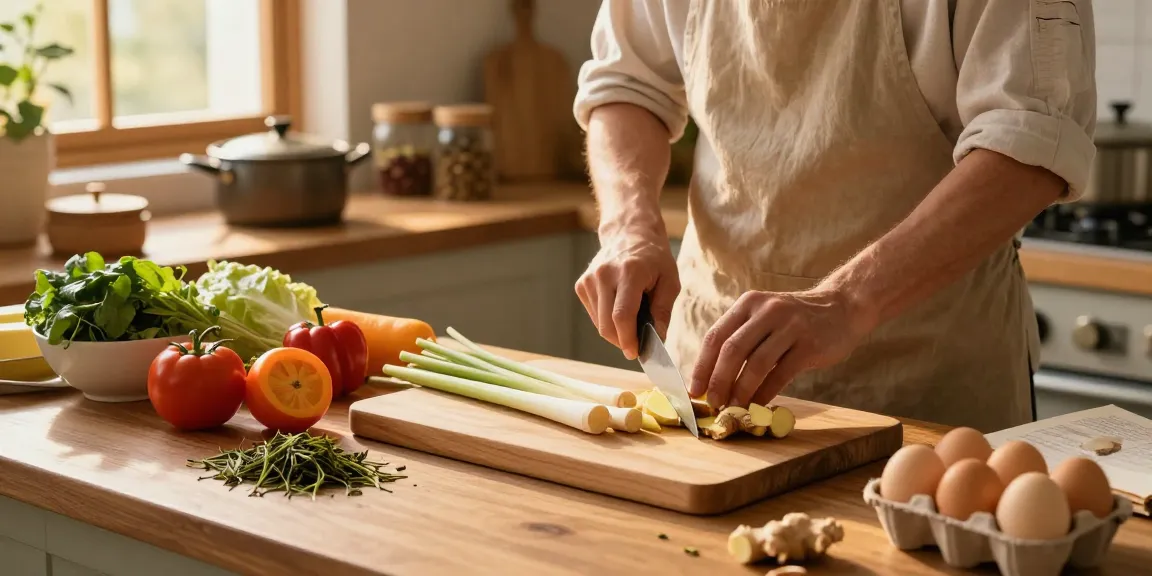
Ginger is renowned for its anti-inflammatory properties and can be used to alleviate digestive issues and nausea. Lemongrass, on the other hand, is rich in antioxidants and has been associated with improved digestion and oral health. Both can easily be integrated into various dishes, from soups to marinades, enhancing taste and nutrition.
How Spices Enhance Flavor and Wellness
Incorporating a variety of spices such as turmeric, cinnamon, and garlic can significantly boost the health profile of meals. Turmeric’s active compound, curcumin, is known for its anti-inflammatory effects, while cinnamon can help regulate blood sugar levels. Spices not only elevate the flavor but also contribute to a more nutritious diet.
Using Herbs in Everyday Cooking
Herbs like basil, cilantro, and parsley can transform the ordinary into extraordinary. They are not only rich in flavor but also high in vitamins and minerals. Fresh herbs can be used in salads, sauces, and as garnishes, providing an easy way to improve the nutritional value of meals.
Meal Planning for Balanced Nutrition
Effective meal planning is essential for maintaining a balanced diet. It helps ensure that you incorporate a variety of nutrients and avoid last-minute unhealthy choices.
Creating Balanced Meals: Proteins, Carbs, and Fats
A balanced meal should include all three macronutrients: proteins, carbohydrates, and fats. For instance, a plate could consist of grilled chicken (protein), quinoa (carbohydrate), and a drizzle of olive oil (fat). This combination not only satisfies hunger but also provides sustained energy.
Healthy Recipes Using Eggs and Vegetables
Eggs are a versatile ingredient that can be prepared in many ways, rich in protein and other essential nutrients. Pairing eggs with vibrant vegetables such as spinach and bell peppers can create nutritious meals like omelets or frittatas. These dishes not only contain essential nutrients but also offer a variety of textures and flavors.
Snacking Wisely: Healthy Options
Snacking doesn’t have to be unhealthy. Opt for snacks that combine protein and fiber, such as Greek yogurt with fruit or a handful of nuts. These options will keep you full and energized between meals without the added sugar and unhealthy fats found in typical snack foods.
Cooking Techniques That Preserve Nutrients
How you cook your food can greatly affect its nutrient content. Understanding cooking methods that preserve nutrients can enhance the health benefits of your meals.
Best Cooking Methods for Vegetables
Steaming, sautéing, and roasting are excellent cooking methods that help maintain the nutrient integrity of vegetables. Avoid overcooking, as it can lead to nutrient loss. Lightly cooking vegetables can make them easier to digest while still retaining their vitamins and minerals.
Avoiding Nutrient Loss: Tips and Tricks
To minimize nutrient loss, consider the following tips:
- Use minimal water when cooking to preserve soluble vitamins.
- Cut vegetables just before cooking to reduce exposure to air.
- Avoid cooking at very high temperatures for prolonged periods.
Utilizing Broths and Stocks for Flavor and Nutrition
Using broths and stocks in cooking can add depth of flavor while infusing nutrients into meals. Homemade vegetable stock, for instance, is a rich source of vitamins and can be used as a base for soups, stews, and sauces, enhancing the overall nutritional profile of your dishes.
Future Trends in Nutrition and Cooking
As we move towards 2026, the culinary landscape is evolving with trends that focus on health and sustainability.
2026 Predictions for Home Cooking
Home cooking is making a notable comeback, as more people seek to understand their food sources and nutritional values. Expect to see an increase in meal preparation services and educational platforms that teach not only cooking skills but also nutritional awareness.
Emerging Ingredients in Nutritional Cooking
New ingredients are being introduced into daily cooking, including plant-based alternatives and functional foods that provide specific health benefits. Superfoods like quinoa, chia seeds, and algae are becoming staples, offering a myriad of nutrients in compact forms.
Sustainable Practices in Food Preparation
Sustainability is becoming a focal point in culinary arts, with increased emphasis on minimizing waste, using local ingredients, and understanding the impact of food choices on the environment. Sustainable cooking practices are not only healthier for individuals but also beneficial for the planet.
What is the role of protein in my diet?
Protein is essential for building and repairing tissues, producing enzymes, and supporting immune function. It should be included in every meal for optimal health.
How can I incorporate more vegetables into my meals?
Start by adding vegetables to your favorite dishes, like mixing spinach into pasta sauces or adding bell peppers to stir-fry. Experimenting with different cooking techniques can also make vegetables more appealing.
What are the benefits of using herbs in cooking?
Herbs not only enhance flavors but also come packed with essential nutrients, antioxidants, and compounds known to promote health. They can boost the nutritional profile of meals dramatically.
Why is meal planning important for health?
Meal planning helps ensure that you are consuming a balanced diet, controlling portion sizes, and reducing the likelihood of resorting to unhealthy options when hungry.
How do cooking methods affect nutrient retention?
Different cooking methods can preserve or destroy nutrients. Gentle cooking methods like steaming or sautéing typically preserve more nutrients than boiling or frying.
